Friday, October 31, 2014

THE INTERRUPTERS

I'm so excited we'll be able to watch Steve James' acclaimed documentary on Roger Ebert Life Itself together during our next class. Even more exciting is the fact that Zak Piper - who is one of the producers of the film, as well as its sound recordist - will be joining us after the screening!

In preparation for Zak's visit, please watch The Interrupters on the PBS/Frontline website. Zak was both a co-producer and the sound recordist for that film as well, and we'll explore in-depth some of the sound recording challenges he encountered during the production.

Feel free to comment thoughtfully about The Interrupters, letting me know what in particular you most liked about it. And as always, please support your assertions with direct references to the material.

Finally, be sure to include in your response at least one question you want to ask Zak about the film, about the sound in the film and/or about its making in general. I'm interested to know what you want to ask.

I hope you enjoy the film, and please remember to post your comments - and question(s) for Zak - here and on Moodle by no later than 9am next Tuesday, November 4th.

Friday, October 24, 2014

LET THE FIRE BURN


I'll keep it short for this week's post, in part because you've all been working so hard. That said, I would love for you to watch Let the Fire Burn on Netflix Instant, mostly because I'm curious to know what you think of this film, particularly about the way it uses archival footage to tell its thoughtful and ultimately potent story.

Write whatever you'd like this week, but please remember to support your assertions by referencing specific moments, scenes or sequences from the film. And if, in your reply, you can address concepts of Authenticity, Authority, Evidence, Responsibility and how they relate to your understanding and appreciation of Let the Fire Burn - all the better.

Good luck, and please remember to post your response both here and on Moodle by no later than Tuesday morning at 9am!

Thursday, October 16, 2014

TABLOID


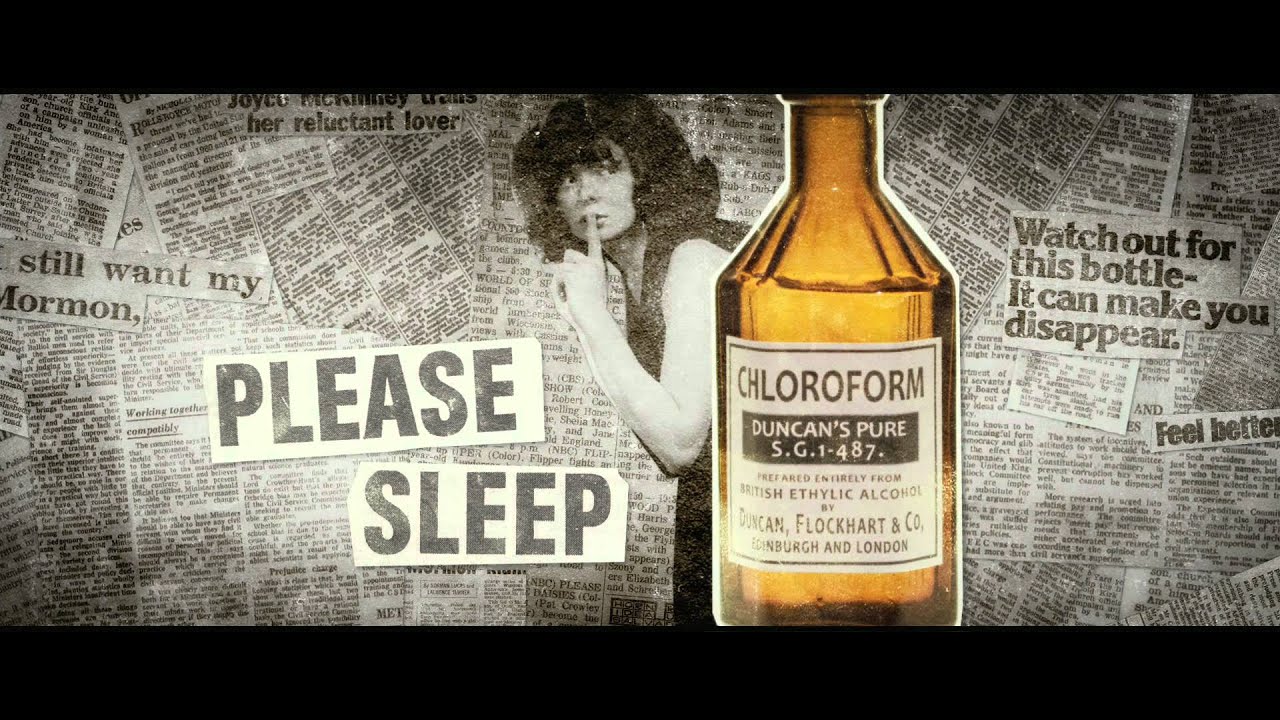
John Grierson famously defined documentary as "the creative treatment of actuality," and for this week's post, I want you to watch Errol Morris's Tabloid on Netflix Instant and consider all the weird and wonderful ways in which Morris creatively treats the truth, as well as how he uses visual display to generate meaning. And do the film's style and sensibility - as well as its main nonfictional performer - contribute to your understanding of its theme (which is...)? How?

Errol Morris (The Thin Blue Line; Fog of War) is one of the most influential directors working today. Before his death, Roger Ebert wrote, "After twenty years of reviewing films, I haven't found another filmmaker who intrigues me more...Errol Morris is like a magician, and as great a filmmaker as Hitchcock or Fellini.”

Write whatever you'd like, but please be sure to address your feelings about the way Tabloid utilizes the aesthetics of filmmaking to tell its story - Morris himself says Tabloid is in many ways a story about the way stories are told. Is the film authentic? Was the filmmaker responsible to its subject and main character? Would you have made it differently? If so, how?

Finally, do you think the film's main subject Joyce McKinney was right to file a lawsuit against Morris (article here) and travel around the country attending several screenings in protest (even more amazing article here)? Needless to say, this story is a hoot, Morris is a genius, and I look forward to discussing both with you in more detail when we next meet.

In the meantime, I hope you enjoy Tabloid and can't wait to read your thoughts about the film and its aesthetics - by no later than 9 am on Tuesday of course.

Friday, October 10, 2014

ROOM 237

There are two types of non-fiction films: those that use dramatic conventions to tell their stories, and those that, as one of your recommended texts Crafting Truth states, "aim at developing experimental or poetic ways of arranging story information."

Some documentaries - called "essays" - contradict the assumption that the world can be known in a definitive way. The "essay" film shifts the focus from the end product of the investigative effort to the process by which knowledge is created. To speak metaphorically, it is the movement, not the destination, that matters the most.

Consider this as you watch Rodney Ascher's fascinating 2012 film Room 237 on Netflix Instant. What specifically about the story - poetically or otherwise - resonated with you? Is the film dramatic? Is it poetic? One thing's for sure: Ascher's film draws attention not only to the various theories and hidden meanings in Stanley Kubrick's The Shining but goes further to reveal the subjectivity of the documentary maker and the subjective nature of knowledge and understanding itself.

I look forward to reading your answers to those questions, along with the rest of your comments, here (and on Moodle) by Tuesday morning at 9 am.

Thursday, October 2, 2014

CITIZEN KOCH


How do we understand the "message" a film is trying to give us? How does a documentary organize its "facts" and structure its "argument"?

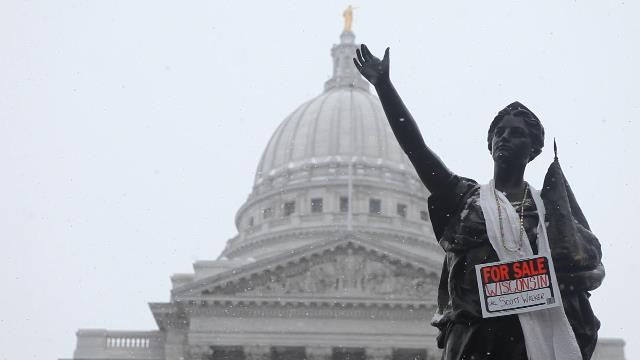
For this week's post, please watch Citizen Koch on Netflix Instant and let me know what you think. In particular, let me know what you think the film's argument is, and please provide details about how the directors Carl Deal and Tia Lessin structure that argument. What is the message in the film? Is Citizen Koch authentic? Does it present its evidence with authority?

Have fun watching and writing - and make sure your comments are posted by no later than Tuesday at 9 am!

ous thugs free reign to preen their atrocities and then fobs it all off as some kind of exalted art thing. This is more than an aesthetic crime; it's a moral crime."